Western lowland gorilla · No. 15 of 26
Seattle Sends Its Homegrown Six-Year-Old To A Bachelor Club, Destination Sealed
Kitoko was born at Woodland Park in 2020. The receiving zoo will not be named until he arrives.
The Deal
The Grades
Seattle
Moved him on schedule rather than late. Dispersal-age males who stay too long create the family friction that forces a rushed trade on worse terms.
Undisclosed
Cannot grade a front office that will not put its name on the transaction.
The Breakdown
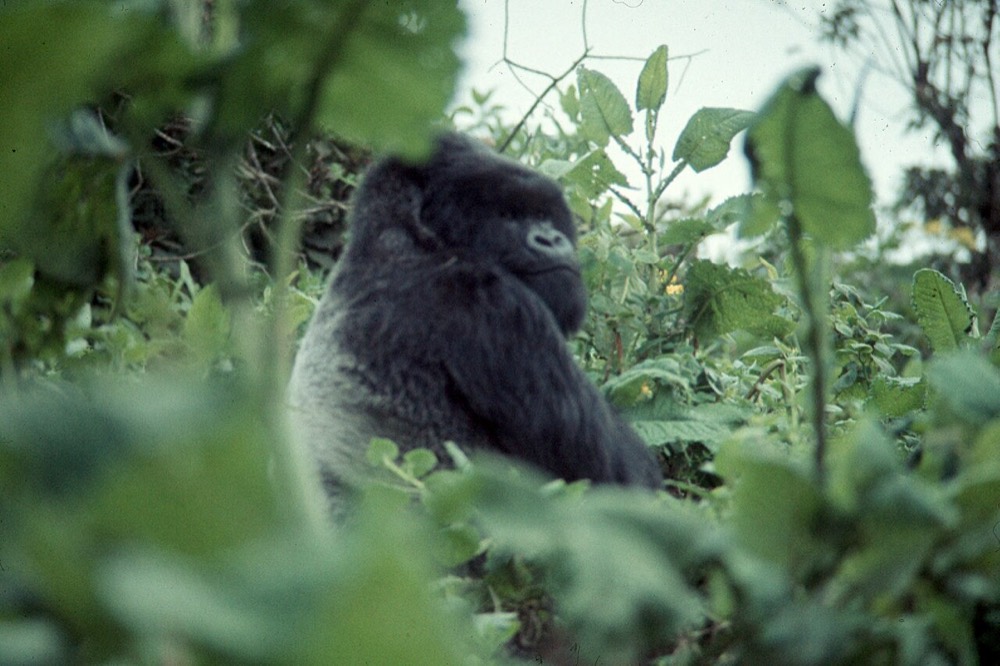
Kitoko was born at Woodland Park Zoo on March 4, 2020, to Uzumma and Kwame. His last public day in Seattle was Monday, August 31. He is six, which in this league is the age at which a homegrown male stops being the crowd favourite and starts being a roster problem.
The Gorilla SSP coordinated the move to an AZA-accredited facility where he will join an all-male bachelor group. He leaves behind the adult females Nadiri, Akenji and Yola, and his juvenile half-sister Zuna, who is a year younger.
Woodland Park's animal care manager of primates, Arden Robert, framed the timing plainly: rather than wait until he becomes too boisterous and it turns into family scuffles, this was the moment to move him. That is a front office trading a player a year early instead of a year late, which is almost always the correct side of that error to be on.
The zoo will not name the receiving facility until Kitoko has arrived and settled. Destination secrecy is a recurring practice in this league and it is usually about giving the animal a quiet landing rather than about the deal itself. It does mean the trade cannot be fully graded yet, which is why the other side of this one carries an incomplete.
For the pattern, see Fort Worth moving Gus and Bukavu to Saint Louis in July. Same age bracket, same reasoning, same unavoidable conclusion: the homegrown male has to go before he challenges the silverback, and every gorilla front office in the country is running the same clock.